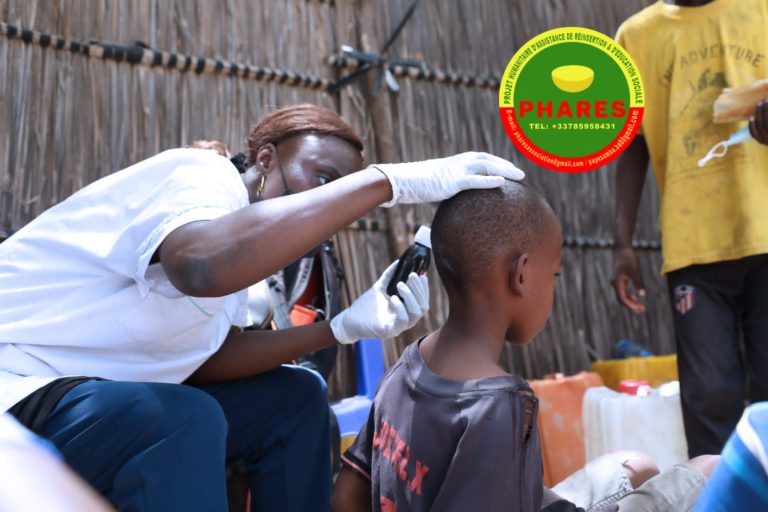
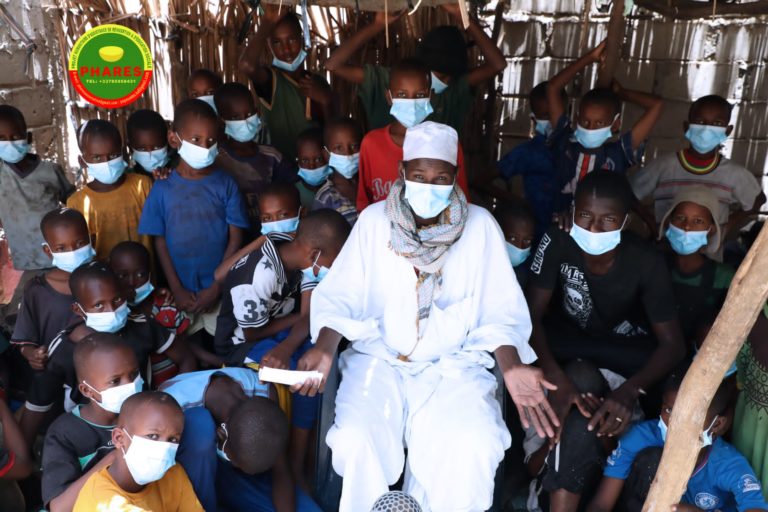
One thought on “2e édition : Porte ouverte à Ngallèle de Saint Louis du Sénégal”
1win мобильная версия – удобное приложение для ставок на спорт и азартных игр на мобильных устройствах с высокой функциональностью и привлекательным дизайном.
By Nqobile Dludla, Emma Rumney and Media Coulibaly
JOHANNESBURG/ABIDJAN, Sept 29 (Reuters) – When COVID-19 hit Ivory Coast, Bonaventure Kra, who works
at an import-export business, began to worry. Handling hard cash all
day was a risk. Queuing in crowded bank branches exposed him to
infection.
Then, in the midst of the pandemic, French telecommunications giant Orange launched an entirely digital bank – its first full banking venture
in Africa.
« Going back to cash would be like travelling back in time, » Kra said in the country’s commercial
capital, Abidjan. « I intend to use it permanently. »
Africa’s mobile phone operators are ramping up plans to
bring banking to millions of Africans, in some cases for the first time, after the coronavirus crisis caused a surge in use of digital financial
services.
Orange, MTN, Telkom and Vodacom are lowering fees, rolling out new lending services ahead of
schedule, and expanding mobile payment networks with the aim of finally denting the so-far unshakeable dominance
of cash.
« It’s one of those industries that we consider to be ripe for disruption, » Sibusiso Ngwenya, financial services managing executive at South Africa’s Telkom, told Reuters.
With their revenue under threat as governments cap data prices and customers abandon voice phone services for free
messaging apps, telcos have sought to leverage
their reach into remote villages and urban shanty towns
in a pivot to banking.
The global health crisis has been an unexpected catalyst, with some African governments releasing
COVID-19 stimulus grants via mobile money platforms and central banks
easing regulations, including limits on mobile transactions.
Orange added over five million new customers
for its mobile money services in April and May alone.
MTN hit one million South African users in June, when it had expected half
of this, and recorded a 28% jump in mobile money transactions per minute across all its African markets in the
first half of the year.
TAKING ON THE CASH KING
Cash is still king in Africa.
It accounts for around 99% of transactions in Nigeria,
the continent’s most populous country, and dominates even in South
Africa (90-95%) where banking penetration is relatively high, according to a 2017 estimate from consulting firm McKinsey.
World Bank figures indicate just under 43% of sub-Saharan Africans over the age of 15 had a bank account in 2017.
The region’s total population stood around 1.1 billion last year.
That compared with 55% in Latin America and the Caribbean, almost 70% in South Asia and around 74% in East Asia and the Pacific.
That presents a huge opportunity, said Francois Jurd de Girancourt, head of McKinsey’s financial institutions practice
Africa. Prior to the crisis, it rated the continent as the world’s No.2 market in terms of
growth and profitability potential with banking revenues set to hit $129 billion by 2023.
Telcos are well-positioned to secure a piece of that pie.
By last year, sub-Saharan Africa boasted 469 million mobile money accounts
– more than any other region in the world – according to
industry body GSMA.
Mobile phone penetration outstrips access to banks.
Operators’ distribution models are low-cost.
And telcos possess a wealth of customer data they
can use to assess lending risk, a big advantage in a region where most
markets lack credit bureaus.
Vodacom, the African unit of Britain’s Vodafone, is now
moving to expand lending, insurance and payment businesses currently available only
in South Africa to other markets.
It has advanced by months launches of initiatives like overdrafts for the mobile money agents that work
on its behalf, helping customers open accounts and withdraw and deposit cash.
It has also accelerated plans for cash advances to merchants at registered pay
points, its financial services CEO Mariam Cassim told Reuters.
Orange has Mali, Burkina Faso, and Senegal
in its sights as expansion markets for Orange Bank
Africa, with the timetable dependent upon local regulatory approval.
Both MTN and Telkom, meanwhile, are preparing to offer micro-loans in South Africa,
the companies said.
MTN, Africa’s largest operator, will roll out a mobile money offering for
businesses, which is currently being piloted in Rwanda, to other markets by the end of the year.
It will also pilot an initiative to digitise cash-heavy small businesses in South Africa, namely small shops known as spazas and often located in townships,
executives told Reuters.
And after growing the number of vendors accepting payment via its platform by 100,000 in the first half of the
year, it has now doubled an end-2021 target to 1 million.
« We are … using the opportunity that the crisis is offering us to really accelerate, » said
Serigne Dioum, who heads MTN’s mobile financial services division.
‘NO LOSERS’
Mobile operators still have a long way to go to overtake traditional
lenders.
Banking revenue pools in sub-Saharan Africa stood around $70 billion in 2019, according to a McKinsey
estimate, while the main mobile operators earned less than $3 billion from financial services.
Some regulators remain wary of mobile money, and many informal
businesses still don’t accept digital payments.
Such factors mean mobile money adoption varies wildly across the continent.
Cash use actually rose in some countries during the pandemic.
M-Pesa, run by Vodacom unit Safaricom, dominates the financial system in Kenya.
But both MTN and M-Pesa have in the past been forced to drop mobile
money initiatives in South Africa after struggling to
attract customers.
« You need a massive market share to be making a lot of money just from payments, » said McKinsey’s Jurd de Girancourt, adding that telcos
will need customers to use other services too.
« It’s fine if you are M-Pesa. But we’re probably not going to see that, » he said.
Big banks, historically deterred by low incomes and poor infrastructure, are also fighting back and pushing into underserved segments.
They are agreeing partnerships with fintech firms, building their own networks of agents to
distribute banking services and launching rival offerings.
They also partner with telcos, marrying their vast balance sheets with the mobile firms’ wide customer bases.
South African lender Absa is set to launch partnerships
with mobile operators in Tanzania and Uganda, its head of retail banking in Africa Vimal Kumar told Reuters.
Absa is also expanding its Kenyan digital offering to cover
full-service banking with roll-outs in Zambia, Botswana and
Mauritius set for later this year and the rest of
its markets in 2021.
« There is no loser, » Kumar said. « The opportunity is so large that no one player is going to be able to dominate. »
(Reporting by Nqobile Dludla and Emma Rumney in Johannesburg, Media Coulibaly in Abidjan, Aaron Ross and Bate Felix in Dakar,
Alexis Akwagyiram in Lagos and Chijioke Ohuocha
in Abuja; Editing by Joe Bavier and Emelia Sithole-Matarise)
Hey people,
I’ve been checking out the world of online gaming lately, and I’ve gotta say — it’s pretty damn addictive. At first, I was honestly suspicious. I mean, how do you even rely on an online platform with your cash, right? But after doing a ton of research (and trying out a few sketchy sites so you don’t have to), I figured out a few things that distinguish a reliable casino from a risky mess. First off, if you’re new to all this, here’s the golden rule: **licenses matter**. If a casino doesn’t have a proper legal status (like from the Malta Gaming Authority or the UKGC), just run. No bonus is worth the gamble of never seeing your money again. Also — and I know no one wants to — check the terms. That’s the only way to know what kind of wagering requirements they’ve slapped onto those so-called “juicy” bonuses.
Now, let me share a site I’ve been hooked on these last few weeks. It’s been a game-changer. The interface? Super clean. Payouts? Quick — like 24 hours quick. And the game selection? *Insane*. Slots, live dealers, blackjack, even some unique stuff I hadn’t tried before. Check it out here: http://www.yya28.com/home.php?mod=space&uid=943900&do=profile&from=space What really won me over was the help desk. I had a tiny issue with a bonus not working, and they got back to me in like instantly. Compare that to other sites where you’re just left hanging — yeah, not worth it.
Also, if you’re into bonuses (and who isn’t?), this place offers some legit ones. But here’s the trick: don’t just chase bonuses. It’s smarter to stick to fair terms than a huge bonus you’ll never be able to withdraw. I’m not saying you should go and bet the farm — please don’t. But if you’ve got a little extra cash and you’re looking for a chill way to spend an evening, online casinos can totally deliver. Just stay sharp, control your bankroll, and don’t treat it like a side hustle. It’s for fun, not for a paycheck. Anyway, just wanted to drop my experience here in case anyone’s curious or trying to find a good place to play. If you’ve got your own stories or even some wild losses, I’m all ears — love talking shop about this stuff.
Good luck out there, and may the odds be ever in your favor ??






1win мобильная версия – удобное приложение для ставок на спорт и азартных игр на мобильных устройствах с высокой функциональностью и привлекательным дизайном.
Torgove-obladnannya.biz.ua – профессионал в торговом оборудовании
сітчасте торгове обладнання https://torgove-obladnannya.biz.ua/ .
1win скачать на телефон iphone 1win10004.ru .
I was able to find good information from your articles.
bride. ru http://svadebnyj-salon-moskva-3.ru .
салон свадебных и вечерних платьев москва салон свадебных и вечерних платьев москва .
салон свадебных и вечерних платьев москва салон свадебных и вечерних платьев москва .
By Nqobile Dludla, Emma Rumney and Media Coulibaly
JOHANNESBURG/ABIDJAN, Sept 29 (Reuters) – When COVID-19 hit Ivory Coast, Bonaventure Kra, who works
at an import-export business, began to worry. Handling hard cash all
day was a risk. Queuing in crowded bank branches exposed him to
infection.
Then, in the midst of the pandemic, French telecommunications giant Orange launched an entirely digital bank – its first full banking venture
in Africa.
« Going back to cash would be like travelling back in time, » Kra said in the country’s commercial
capital, Abidjan. « I intend to use it permanently. »
Africa’s mobile phone operators are ramping up plans to
bring banking to millions of Africans, in some cases for the first time, after the coronavirus crisis caused a surge in use of digital financial
services.
Orange, MTN, Telkom and Vodacom are lowering fees, rolling out new lending services ahead of
schedule, and expanding mobile payment networks with the aim of finally denting the so-far unshakeable dominance
of cash.
« It’s one of those industries that we consider to be ripe for disruption, » Sibusiso Ngwenya, financial services managing executive at South Africa’s Telkom, told Reuters.
With their revenue under threat as governments cap data prices and customers abandon voice phone services for free
messaging apps, telcos have sought to leverage
their reach into remote villages and urban shanty towns
in a pivot to banking.
The global health crisis has been an unexpected catalyst, with some African governments releasing
COVID-19 stimulus grants via mobile money platforms and central banks
easing regulations, including limits on mobile transactions.
Orange added over five million new customers
for its mobile money services in April and May alone.
MTN hit one million South African users in June, when it had expected half
of this, and recorded a 28% jump in mobile money transactions per minute across all its African markets in the
first half of the year.
TAKING ON THE CASH KING
Cash is still king in Africa.
It accounts for around 99% of transactions in Nigeria,
the continent’s most populous country, and dominates even in South
Africa (90-95%) where banking penetration is relatively high, according to a 2017 estimate from consulting firm McKinsey.
World Bank figures indicate just under 43% of sub-Saharan Africans over the age of 15 had a bank account in 2017.
The region’s total population stood around 1.1 billion last year.
That compared with 55% in Latin America and the Caribbean, almost 70% in South Asia and around 74% in East Asia and the Pacific.
That presents a huge opportunity, said Francois Jurd de Girancourt, head of McKinsey’s financial institutions practice
Africa. Prior to the crisis, it rated the continent as the world’s No.2 market in terms of
growth and profitability potential with banking revenues set to hit $129 billion by 2023.
Telcos are well-positioned to secure a piece of that pie.
By last year, sub-Saharan Africa boasted 469 million mobile money accounts
– more than any other region in the world – according to
industry body GSMA.
Mobile phone penetration outstrips access to banks.
Operators’ distribution models are low-cost.
And telcos possess a wealth of customer data they
can use to assess lending risk, a big advantage in a region where most
markets lack credit bureaus.
Vodacom, the African unit of Britain’s Vodafone, is now
moving to expand lending, insurance and payment businesses currently available only
in South Africa to other markets.
It has advanced by months launches of initiatives like overdrafts for the mobile money agents that work
on its behalf, helping customers open accounts and withdraw and deposit cash.
It has also accelerated plans for cash advances to merchants at registered pay
points, its financial services CEO Mariam Cassim told Reuters.
Orange has Mali, Burkina Faso, and Senegal
in its sights as expansion markets for Orange Bank
Africa, with the timetable dependent upon local regulatory approval.
Both MTN and Telkom, meanwhile, are preparing to offer micro-loans in South Africa,
the companies said.
MTN, Africa’s largest operator, will roll out a mobile money offering for
businesses, which is currently being piloted in Rwanda, to other markets by the end of the year.
It will also pilot an initiative to digitise cash-heavy small businesses in South Africa, namely small shops known as spazas and often located in townships,
executives told Reuters.
And after growing the number of vendors accepting payment via its platform by 100,000 in the first half of the
year, it has now doubled an end-2021 target to 1 million.
« We are … using the opportunity that the crisis is offering us to really accelerate, » said
Serigne Dioum, who heads MTN’s mobile financial services division.
‘NO LOSERS’
Mobile operators still have a long way to go to overtake traditional
lenders.
Banking revenue pools in sub-Saharan Africa stood around $70 billion in 2019, according to a McKinsey
estimate, while the main mobile operators earned less than $3 billion from financial services.
Some regulators remain wary of mobile money, and many informal
businesses still don’t accept digital payments.
Such factors mean mobile money adoption varies wildly across the continent.
Cash use actually rose in some countries during the pandemic.
M-Pesa, run by Vodacom unit Safaricom, dominates the financial system in Kenya.
But both MTN and M-Pesa have in the past been forced to drop mobile
money initiatives in South Africa after struggling to
attract customers.
« You need a massive market share to be making a lot of money just from payments, » said McKinsey’s Jurd de Girancourt, adding that telcos
will need customers to use other services too.
« It’s fine if you are M-Pesa. But we’re probably not going to see that, » he said.
Big banks, historically deterred by low incomes and poor infrastructure, are also fighting back and pushing into underserved segments.
They are agreeing partnerships with fintech firms, building their own networks of agents to
distribute banking services and launching rival offerings.
They also partner with telcos, marrying their vast balance sheets with the mobile firms’ wide customer bases.
South African lender Absa is set to launch partnerships
with mobile operators in Tanzania and Uganda, its head of retail banking in Africa Vimal Kumar told Reuters.
Absa is also expanding its Kenyan digital offering to cover
full-service banking with roll-outs in Zambia, Botswana and
Mauritius set for later this year and the rest of
its markets in 2021.
« There is no loser, » Kumar said. « The opportunity is so large that no one player is going to be able to dominate. »
(Reporting by Nqobile Dludla and Emma Rumney in Johannesburg, Media Coulibaly in Abidjan, Aaron Ross and Bate Felix in Dakar,
Alexis Akwagyiram in Lagos and Chijioke Ohuocha
in Abuja; Editing by Joe Bavier and Emelia Sithole-Matarise)
Hey people,
I’ve been checking out the world of online gaming lately, and I’ve gotta say — it’s pretty damn addictive. At first, I was honestly suspicious. I mean, how do you even rely on an online platform with your cash, right? But after doing a ton of research (and trying out a few sketchy sites so you don’t have to), I figured out a few things that distinguish a reliable casino from a risky mess. First off, if you’re new to all this, here’s the golden rule: **licenses matter**. If a casino doesn’t have a proper legal status (like from the Malta Gaming Authority or the UKGC), just run. No bonus is worth the gamble of never seeing your money again. Also — and I know no one wants to — check the terms. That’s the only way to know what kind of wagering requirements they’ve slapped onto those so-called “juicy” bonuses.
Now, let me share a site I’ve been hooked on these last few weeks. It’s been a game-changer. The interface? Super clean. Payouts? Quick — like 24 hours quick. And the game selection? *Insane*. Slots, live dealers, blackjack, even some unique stuff I hadn’t tried before. Check it out here: http://www.yya28.com/home.php?mod=space&uid=943900&do=profile&from=space What really won me over was the help desk. I had a tiny issue with a bonus not working, and they got back to me in like instantly. Compare that to other sites where you’re just left hanging — yeah, not worth it.
Also, if you’re into bonuses (and who isn’t?), this place offers some legit ones. But here’s the trick: don’t just chase bonuses. It’s smarter to stick to fair terms than a huge bonus you’ll never be able to withdraw. I’m not saying you should go and bet the farm — please don’t. But if you’ve got a little extra cash and you’re looking for a chill way to spend an evening, online casinos can totally deliver. Just stay sharp, control your bankroll, and don’t treat it like a side hustle. It’s for fun, not for a paycheck. Anyway, just wanted to drop my experience here in case anyone’s curious or trying to find a good place to play. If you’ve got your own stories or even some wild losses, I’m all ears — love talking shop about this stuff.
Good luck out there, and may the odds be ever in your favor ??
Купить диплом о высшем образовании!
Мы готовы предложить документы любых учебных заведений, которые находятся в любом регионе России.
diplomk-vo-vladivostoke.ru/kupit-diplom-visshego-obrazovaniya-s-zaneseniem-v-reestr-7/